Summer is here.
New research shows that heat has a bigger impact than you know.
5 minutes
May 15, 2026 Adecco
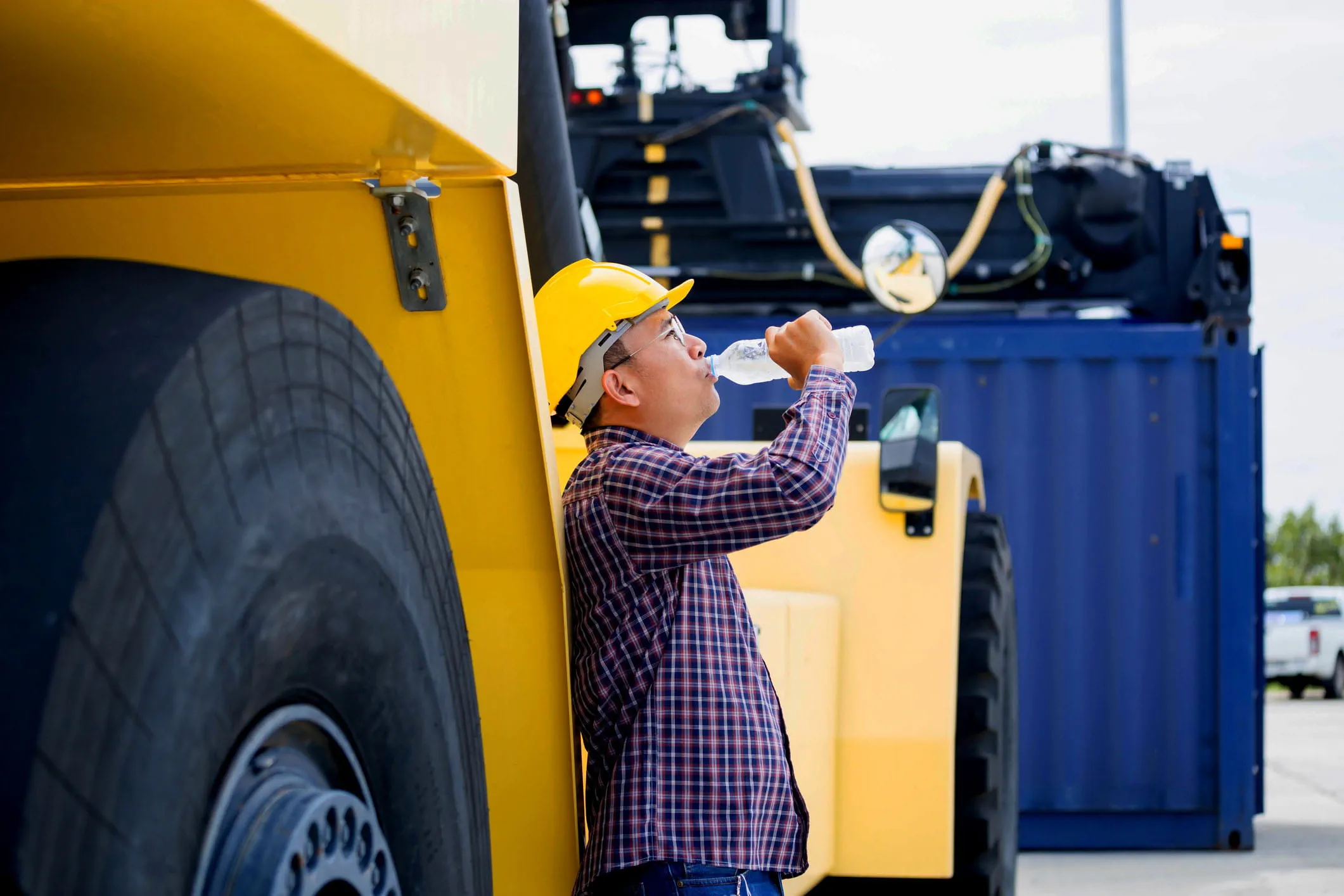
A new study shows that workplace injuries rise when the temperatures do.
Thanks to a new database from OSHA, researchers were able to review workplace injuries – for both indoor and outdoor roles – in 2023, and found that 28,000 workplace injuries were connected to hot conditions.
Published in the Environmental Health journal, the study found that the risk for injuries increases when the daily heat index hits roughly 85°, with a steep rise once it goes past 90°.
Another critical finding employers should take note of: States with OSHA workplace heat exposure standards are tied to a lower risk of injury on hot days.
The right heat safety tips can make all the difference, so during summer at Adecco, we’re working to prevent heat-related injuries and implement responsive safety procedures.
Awareness is great, but knowledge is critical.
Understand what heat illness looks like. Managers, supervisors, and employees need to know and recognize the signs of heat illness. “Heat illness” refers to a group of medical conditions caused when the body can no longer regulate its temperature effectively. These conditions range in severity and include:
- Heat syncope (lightheadedness, dizziness, or fainting)
- Heat cramps (cramps and spasms usually in the legs and abdomen)
- Heat exhaustion (all of the above, with weakness and clammy skin)
- Heat stroke (severe medical emergency with the risk of seizures, coma, and death)
When everyone on site knows what to look out for – and feels comfortable reporting concerns – it can make all the difference.
Monitor the weather and heat index
One of the best heat safety tips is to be proactive, but temperatures alone aren’t the most reliable indicator of dangerous working conditions. Managers should be monitoring the daily heat index, which looks at both the temperature and humidity.
The index provides clear risk categories, spanning from “use caution” to “extreme danger,” allowing supervisors to plan and adjust schedules for both safety and productivity.
Make the right resources available
The right resources can make all the difference, but managers need to take the lead to make sure employees take advantage of them. Setting up hydration stations, encouraging light-weight clothing, providing shaded areas, and mandating breaks are a few great places to start.
Consider consulting an expert for additional insights on common concerns, including how much water is needed for an eight-hour shift, how to monitor water intake, does sitting in hot car constitute shade, and more.
Put processes in place
The right knowledge, resources, and monitoring should be baked into your operations, which means having the right training and processes in place is key. For example, Adecco colleagues utilize a “High Heat Checklist” when temperatures exceed 95°, to ensure that the resources (water stations, break schedules) and the expertise (heat illness symptoms and treatment) are being utilized.
In addition to daily operational support, our teams have processes in place for handling emergencies, acclimating new hires, and more.
Find the right staffing provider
Whether you have one site or one dozen, heat safety is critical to your operations and your workers’ wellbeing. At Adecco, we bring checklists and processes to help keep your site safe, whether it’s a single hot day or a weeklong heat wave.
It’s also important to remember that keeping a heat safety program not only helps associates stay healthy, but it also helps them feel like a valued part of your workforce – which in turn can improve engagement and lower turnover.
Learn more by downloading Adecco Insights, our monthly magazine covering the top issues of 2026.