Adecco Talks: Worker trust and the benefits of pay transparency
Learn more on the trends and research we're talking about this month.
5 minutes
September 17, 2025

The missed benefits of pay transparency
When it comes to worker confidence, managers might not be seeing the whole picture: 93% of employers think their employees trust their pay decisions, according to Payscale’s new report “The Pay Confidence Gap.”
In reality, only 69% of workers do.
There’s a strong correlation between transparency and pay confidence. As organizations increase the level of transparency surrounding their pay practices, employee confidence rises significantly.
In spite of this, 41% of employees say they have never had a clear conversation about how their pay is determined.
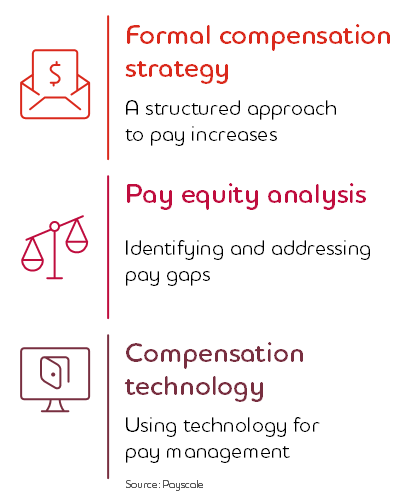
How employers can build pay confidence
With the right practices, data, and tools, you can bring clarity to tough pay conversations and close this trust gap. The most effective way to navigate tough pay conversations is by investing in:
- Formal compensation strategy: A clear compensation strategy builds trust, driving a 4.6x increase in employee confidence on pay increases
- Pay equity analysis: Pay equity analysis signals fairness, boosting confidence in compensation by 80%
- Compensation technology: Compensation technology strengthens transparency, with +114% confidence in market pricing and +42% in pay increases
Transparency can be a powerful tool for building trust and confidence in an organization's pay practices, which in turn can lead to higher levels of employee engagement, performance, and retention. The more open managers are about how these decisions are made, the more likely employees are to see them as fair and competitive.

Additional trends we saw
- Job growth stalled in August with only 22,000 positions added
- The unemployment rate ticked up to 4.3%
- The labor force participation rate rose to 62.3%
- June’s numbers were revised, showing the labor market lost 13,000 jobs. This makes it the first negative employment month since December 2020
- Consumer sentiment fell nearly 6% in August
- Average hourly earnings slowed to 3.7%, from 3.9% in July
- Released ahead of the jobs report, the Job Openings and Labor Turnover Survey (JOLTS) reported that for the first time in four years, there were fewer job openings than jobs seekers
Make pay make sense
At Adecco, we know how challenging it is to navigate wage rates. We’ve worked with countless clients across industries and around the globe to help them stay competitive.
The difference is data. Check out our Salary Calculator to get started, or contact us today to learn how we can support your operations.