Labor market out of balance
What it means for leadership
5 minutes
June 30, 2026 - 2:16 PM
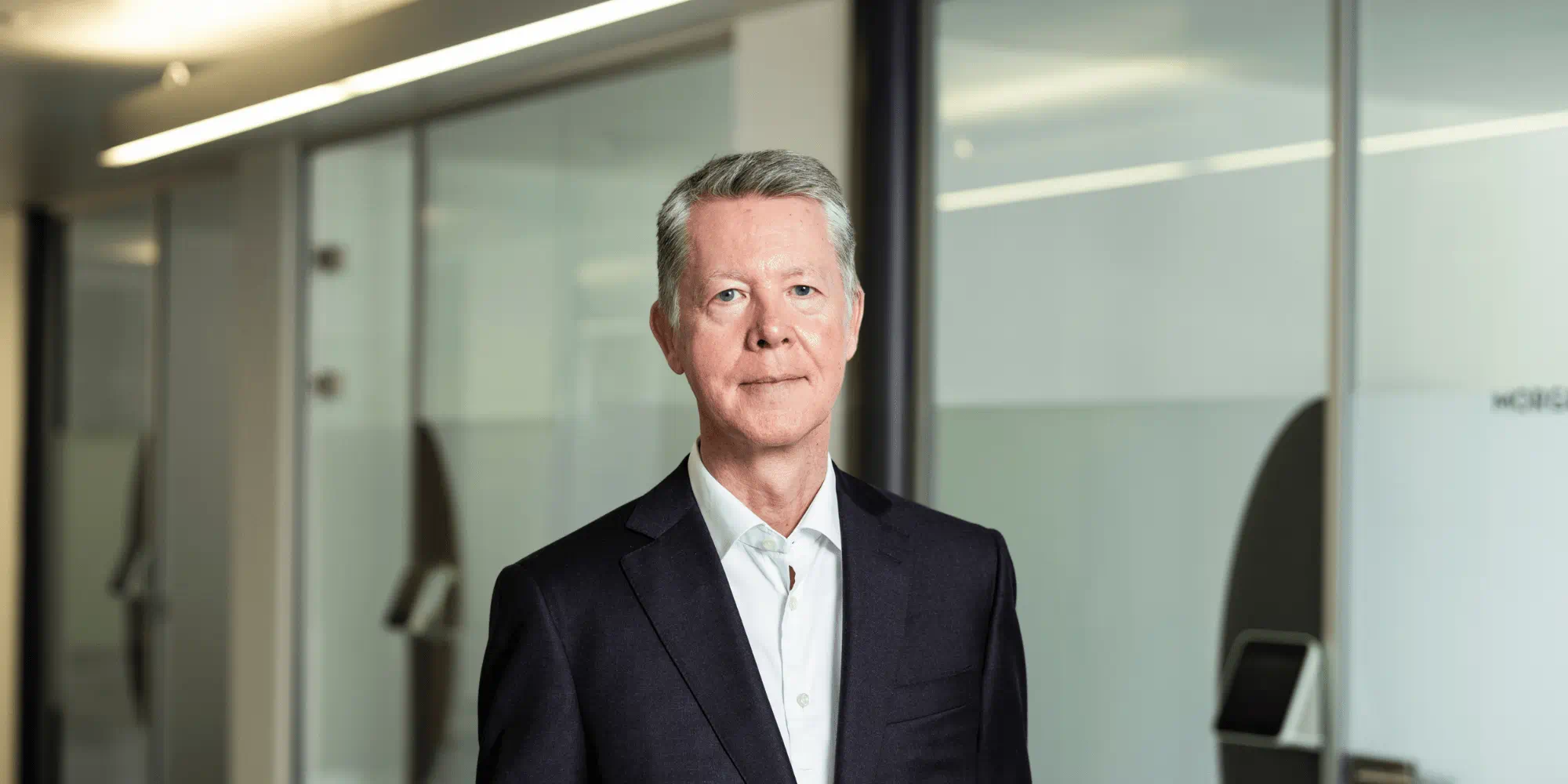
With decades of experience in human resources and leadership, Marcel Keller is one of the leading experts on the Swiss labor market. As Country President of the Adecco Group Switzerland, he brings a well-founded and practical perspective on current changes in the labor market at the intersection of talent, transformation, and business strategy.
What used to be considered an emergency is now part of everyday business: Companies are confronted with global crises, technological disruption, and scarce resources. Under these conditions, traditional leadership models based on control and predictability are losing their effectiveness.
Complexity has become the new normal
Leadership today no longer takes place under stable conditions, but rather within a constant tension between uncertainty and complexity. Economic uncertainty, transformations, shortages of skilled workers—or rather, skills—and new employee expectations are all at play simultaneously—even in Switzerland. Planning certainty is declining, and decisions often must be made under time pressure.
Labor market: The shortage has switched sides, leadership Is becoming a question of allocation
This is also evident, for example, in the Swiss labor market. It is undergoing profound structural change. Qualifications are losing their value more quickly, while new competency requirements are emerging across all occupational groups. The ongoing debate about the shortage of skilled workers falls short of the mark. Shortages and oversupply exist simultaneously: While companies are desperately searching for the right talent, pressure on job seekers in certain occupational groups is increasing.
For managers, this shifts the focus: It’s less about recruiting new employees and more about deploying existing skills more intelligently. What skills are we building internally? Where are we investing in development? And which roles do we need to rethink, rather than simply filling them with new hires?
The Role of the staffing industry
Hardly any other industry experiences current developments and dynamics as directly as the staffing industry. Every day, it brings together the supply and demand for skills, thereby identifying trends early on and offering solutions. As a result, staffing agencies are evolving from mere intermediaries into strategic partners at the executive level, empowering employers to actively shape their talent strategies and develop skills relevant for the future. Flexible work arrangements are not a sign of uncertainty, but rather a reflection of a market that demands agility.
Technology doesn’t make leadership easier—it makes it more challenging
Another crucial factor is rapid technological development. Today, thanks to AI, we have access to digital technologies that deliver analyses, forecasts, and—increasingly—standardizable decisions in a matter of seconds and on a large scale. What they do not provide, however, is direction. This makes leadership more challenging. It shifts from a knowledge advantage to increased decision-making responsibility. Leaders do not need to know everything, but they must be prepared to make decisions amid uncertainty and stand by them.
Trust is not merely a cultural issue, but a productivity factor
Especially under these circumstances, trust must not remain merely a “soft value.” Where trust is lacking, decisions are usually made defensively, accompanied by silo thinking and constant seeking of approval from higher-ups. When trust is present, however, dynamism, innovation, and genuine commitment flourish. This impact is reflected in time-to-hire, turnover, learning curves, and ultimately in value creation. Effective leadership must therefore combine expectations with psychological safety. After all, demanding performance without trust is not enough—nor is empathy without expectations.
In today’s complex market environment, one thing is clear: leadership is the decisive lever in a world of constant change. It enables organizations to remain capable of acting when uncertainty rises, markets shift, and complexity increases. Effective leadership today does not mean providing perfect answers, but rather remaining capable of making decisions when there are no easy answers. For this is what distinguishes those who thrive in times of change—from those who do not.