Senior LGBTQ+ Workforce: The Silence Behind the Celebration
May 29, 2026 - 6:00 PM
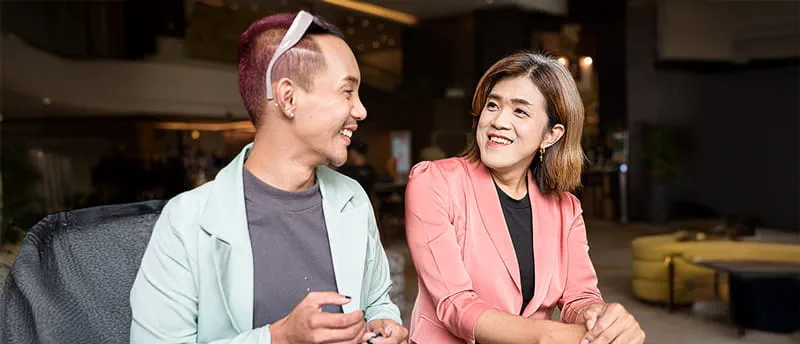
Pride Month this year is more than a celebration of identity and diversity. It is also a safe social space that allows people to step forward as their authentic selves without fear of judgment. At its best, Pride Month reminds us that equality is not just an ideal; it is something we must actively build every day, especially in the workplace.
When conversations around inclusion at work gain momentum, the spotlight often falls on younger generations—on Gen Z visibility, bold self-expression, and the push for more progressive workplace policies. Those stories matter. But there is another group whose experiences are just as important, yet often less visible; the senior LGBTQ+ workforce.
Many older LGBTQ+ workers built their careers in times when openness came with far greater personal and professional risks than it may today. Their stories are shaped by caution, resilience, compromise, and often silence. And if Pride Month is truly meant to belong to everyone, then it must also create room for people whose journeys have unfolded across decades, not just those whose voices are currently the loudest.
This article explores the lived realities of the senior LGBTQ+ workforce, from coming out later in life and navigating overlapping forms of discrimination to confronting questions of financial security, retirement, and long-term care. Because inclusion in the workplace should not stop at visibility—it should extend across every age and at every stage of a person’s career.
The Senior LGBTQ+ Workforce and Coming Out Later in a Career
For many people, coming out is not a single moment. It is an ongoing process—one that can resurface in different settings throughout life, whether at home, in the office, or when joining a new team. For the senior LGBTQ+ workforce, that process can be particularly complex.
Many older LGBTQ+ workers came of age during a period when sexual and gender diversity was far less accepted than it is today. In those years, openness often carried serious consequences; ridicule, social exclusion, stalled career progression, or damage to one’s public image. As a result, many chose caution over visibility, prioritizing job security, relationships, and social stability.
Why do some people come out later in their working lives?
-
Fear of rejection or exclusion
Some individuals may worry that revealing their identity could lead to subtle or overt discrimination—being judged, socially sidelined, or denied future opportunities. Remaining silent can feel like a way to protect long-term career stability.
-
Responsibilities and reputation
For some, coming out is not just a personal decision. It may also affect family dynamics, business relationships, social standing, or leadership credibility. The emotional calculation can be far more complicated when other responsibilities are involved.
How can silence affect work?
While hiding one’s identity may offer a sense of protection in the short term, long-term silence can take a meaningful toll on wellbeing and professional relationships.
-
Constantly filtering words or avoiding discussion of personal life
-
Feeling uncomfortable in team activities because of questions about family or romantic partners
-
Missing opportunities to build trust and connection with colleagues—relationships that often influence growth within an organization
For the senior LGBTQ+ workforce, then, the issue is not simply whether someone “chooses” to come out. It is whether the workplace makes authenticity genuinely safe.
Senior LGBTQ+ Workforce and Workplace Discrimination: When Bias Becomes Layered
Discrimination in the workplace is not always loud or obvious. Sometimes it appears in everyday remarks, assumptions, or decisions that seem small in isolation but become damaging over time. For the senior LGBTQ+ workforce, these experiences are often intensified by overlapping biases related to age, gender identity, sexuality, or appearance.
In other words, many older LGBTQ+ workers are not only navigating prejudice tied to identity—they may also be confronting ageism at the same time.
What exclusion can look like at work
-
“Not the right fit for the team culture”
This phrase may sound neutral, but it can sometimes mask unconscious bias or indirect discrimination, especially when there is no clear performance-based reason behind it.
-
Being overlooked for high-visibility opportunities
Whether it is a leadership presentation, a new strategic project, or a representative role for the company, some employees may be passed over because their image is seen as “different” or because decision-makers assume younger employees are a better fit.
-
Microaggressions that chip away over time
Casual questions such as “Are you still single?”, “Why aren’t you married?”, or “What does your family think?” may appear harmless, but repeated over time, they create emotional strain and reinforce exclusion.
Why older LGBTQ+ workers may feel the impact more deeply
-
They often have to prove themselves twice
Many in the senior LGBTQ+ workforce feel pressure to demonstrate both professional relevance and personal acceptability—to show they are still capable, current, and not a “disruption” to the team.
-
They can get caught between policy and reality
Many organizations now have stronger DEI statements, but policy alone does not erase the everyday biases that shape real workplace experiences. Formal commitments to inclusion do not always translate into day-to-day safety and fairness.
-
Leadership expectations can be restrictive
Older professionals in management roles are often expected to embody a conventional image of authority. In some workplaces, authenticity is welcomed in theory but still constrained in practice.
What HR and business leaders can do
To better support the senior LGBTQ+ workforce, organizations can move beyond symbolic inclusion and focus on structural change.
-
Make performance evaluation more transparent and fair
Use clear, measurable criteria that prioritize actual results over familiarity, perception, or personal comfort.
-
Build LGBTQ+ literacy at the management level
Train leaders not only on discrimination and policy, but also on communication, real-life response skills, and how to create team environments where people feel safe.
-
Rethink workplace culture and the meaning of “family”
From event language to employee benefits, organizations should reflect the reality that families and partnerships take many forms. When people see themselves included in policy, they are more likely to feel included in practice.
Retirement Readiness, Benefits, and the Hidden Security Gaps Facing LGBTQ+ Workers
When we talk about retirement readiness, we often focus on savings, pensions, and financial planning. But for the senior LGBTQ+ workforce, long-term security is often shaped by additional—and less visible—factors, such as family structure, access to benefits, and reliable support networks.
These realities create a distinct set of concerns for many older LGBTQ+ workers.
The hidden gaps behind retirement security
-
A lack of traditional family support systems
Some people may not have children, may be distant from their families, or may rely more heavily on chosen family, friends, and community as they age. This can shape both practical care needs and long-term financial planning.
-
Benefits that do not fully recognize partners or households
If workplace benefits still define “family” too narrowly, some employees may be excluded from health coverage, insurance support, or other forms of protection that heterosexual, traditionally structured households may access more easily.
-
Long-term mental and emotional strain
Years of hiding one’s identity or navigating ongoing bias can have cumulative effects on wellbeing. Chronic stress may increase vulnerability to anxiety, burnout, or other health challenges over time.
How organizations can provide meaningful support
If companies want to support the senior LGBTQ+ workforce in a meaningful way, they must look beyond surface-level Pride campaigns.
-
Offer retirement planning that reflects diverse life structures
Financial planning programs should not assume every employee has a conventional household, spouse, or children. Inclusive planning helps all employees prepare with dignity and realism.
-
Create employee resource groups (ERGs) that include age as a lens
Workplace communities should make room for older LGBTQ+ workers to share experiences without judgment—and to serve as mentors whose insight can benefit younger generations.
-
Design accessible mental health support
Every employee deserves equal care, regardless of identity or expression. For the senior LGBTQ+ workforce, this means having access to support services that understand the emotional complexity of long-term invisibility, discrimination, and accumulated pressure.
The Senior LGBTQ+ Workforce Is a Voice Organizations Need to Hear
If Pride Month is a celebration of being able to live as one’s true self, then one essential question remains; Have we created a world of work where people can safely be themselves throughout the entire arc of their careers?
Because equality is not measured by rainbow flags alone. It is measured by whether people feel safe in everyday working life—during meetings, performance reviews, benefits discussions, team events, and retirement planning. It is measured by whether people of all identities and all ages can move through their careers without having to shrink themselves to fit in.
The senior LGBTQ+ workforce should not be treated as a footnote in the conversation around inclusion. Their experiences reveal something fundamental about an organization’s culture; whether it truly welcomes people as they are, or simply celebrates diversity when it is easy and visible.
Ultimately, building an equitable workplace does not begin and end with a temporary campaign or a polished policy statement. It begins with understanding people more deeply—across every stage of life—and creating an environment where all LGBTQ+ workers can work, grow, and eventually retire with dignity.