
In a diverse world such as today, every gender identity carries its own depth and nuance. That’s why the LGBTQI+ community isn’t represented by just the rainbow flag. Each group within the spectrum has its own flag, designed to reflect unique experiences, values, and identities. As we celebrate Pride Month, let’s take a closer look at these powerful symbols and the stories they tell.
Bisexual Flag
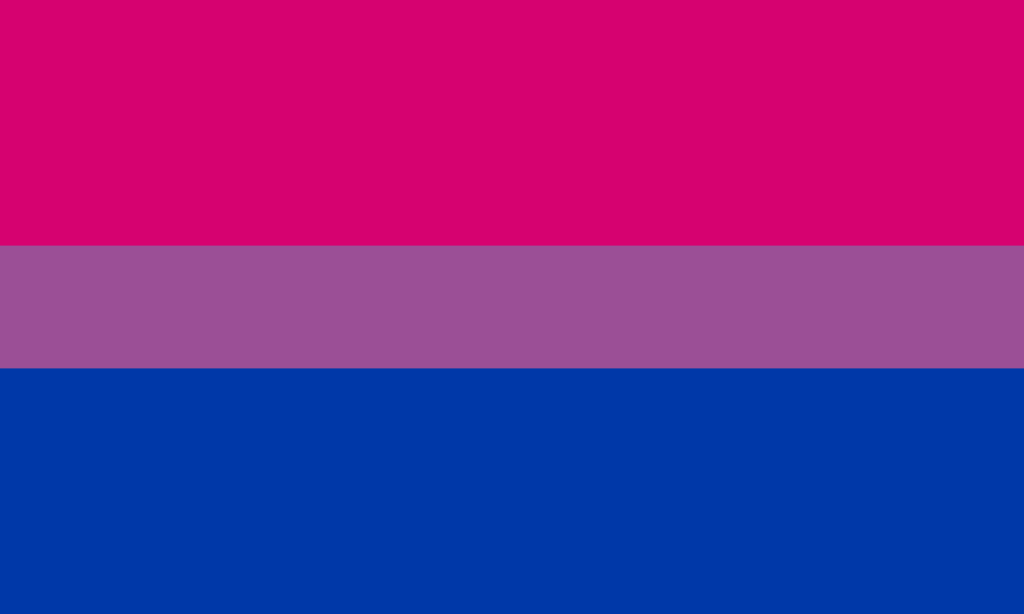
[Designed by Michael Page in 1998]
This flag blends pink, blue, and purple to represent attraction to both same and different genders. Pink symbolizes same-gender attraction, royal blue stands for opposite-gender attraction, and the purple middle stripe reflects attraction to both. The seamless blending of colors also speaks to the fluidity and adaptability of bisexual individuals within both straight and queer communities.
Transgender Flag
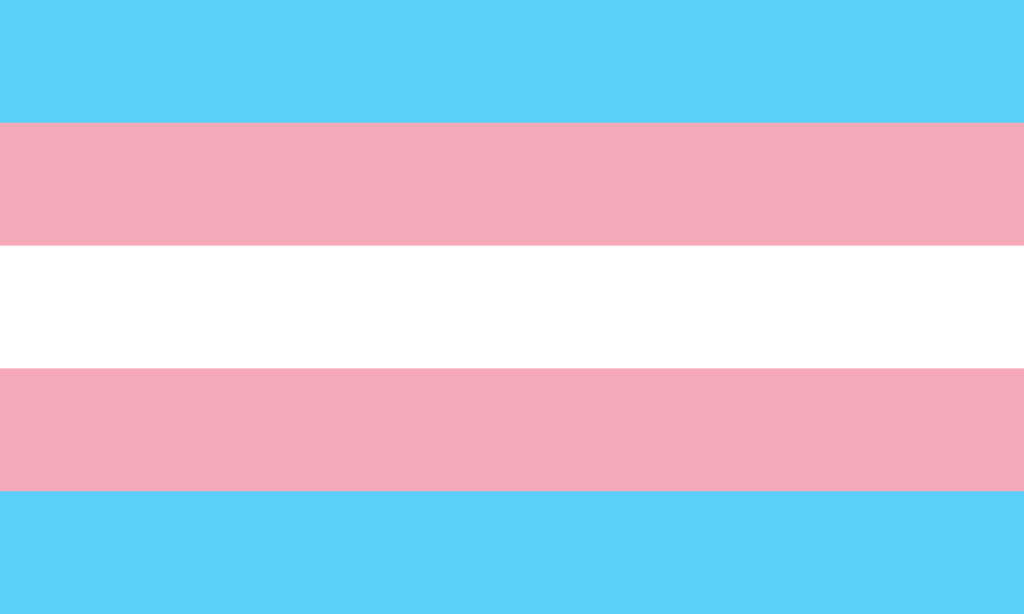
[Designed by Monica Helms in 1999]
The light blue and pink stripes represent traditional gender colors for boys and girls, while the white stripe stands for those who are transitioning, gender-neutral, or intersex. Its symmetrical design conveys a powerful message: no matter which way the flag flies, it always reflects the identity of transgender individuals.
Asexual Flag
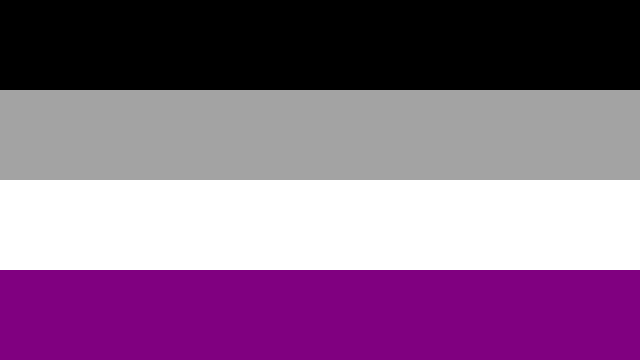
[Created by the Asexual community in 2010]
Asexuality refers to individuals who experience little to no sexual attraction. The flag features four colors: black for asexuality, grey for the spectrum between sexual and asexual identities, white for solidarity with the broader LGBTQI+ community, and purple for community and unity.
Pansexual Flag
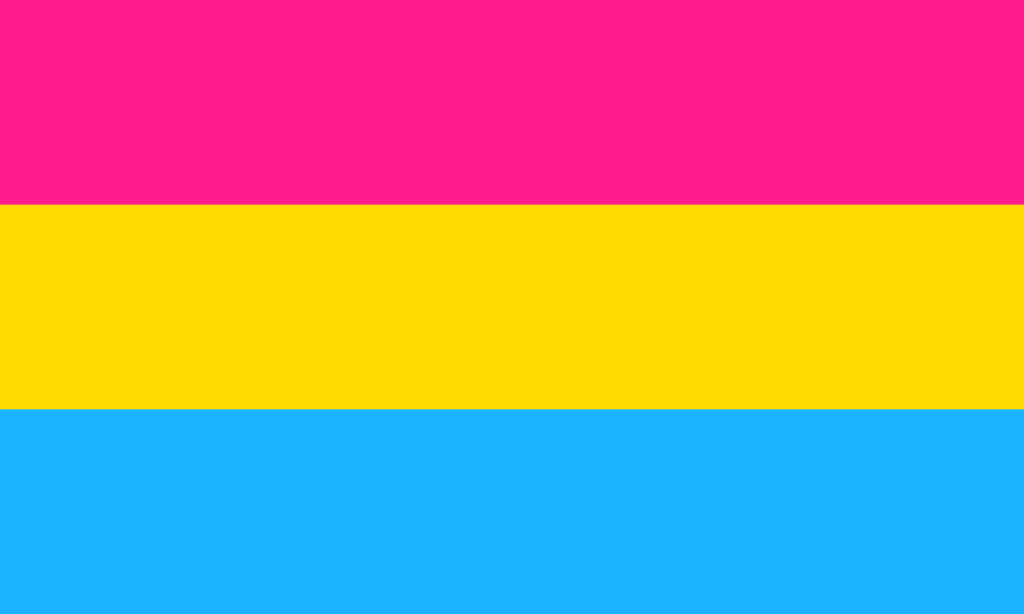
[Introduced in 2010]
Pansexuality embraces love and attraction regardless of gender. The flag’s colors reflect this inclusivity: pink for attraction to women, blue for men, and yellow for those who identify outside the gender binary.
Intersex Flag
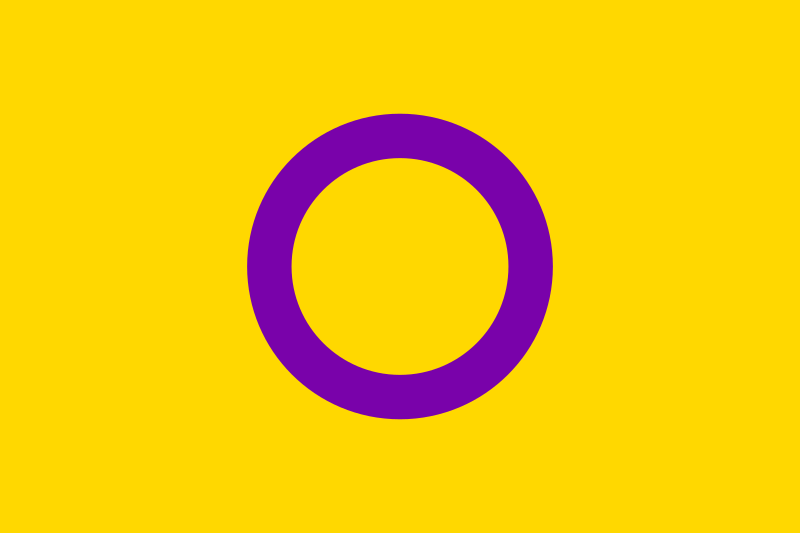
[Designed by Morgan Carpenter in 2013]
Distinct from other LGBTQI+ flags, the intersex flag features a yellow background with a purple circle. Yellow symbolizes a non-binary identity, while the unbroken purple circle represents wholeness and autonomy, affirming that intersex individuals are complete just as they are, regardless of the path they choose.
Nonbinary Flag
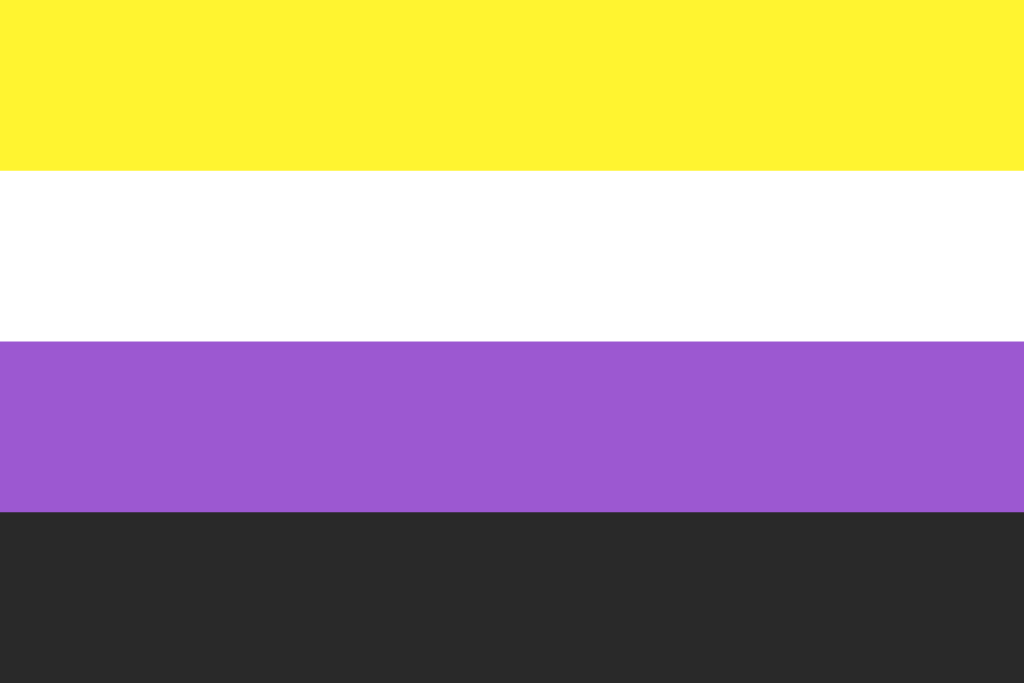
[Created by Kye Rowan in 2014]
Nonbinary individuals identify outside the traditional male-female binary. The flag includes yellow for those whose gender doesn’t align with male or female, white for multi-gender identities, lavender for queerness, and black for agender individuals. Many nonbinary people prefer gender-neutral pronouns like “they/them.”
Lesbian Flag
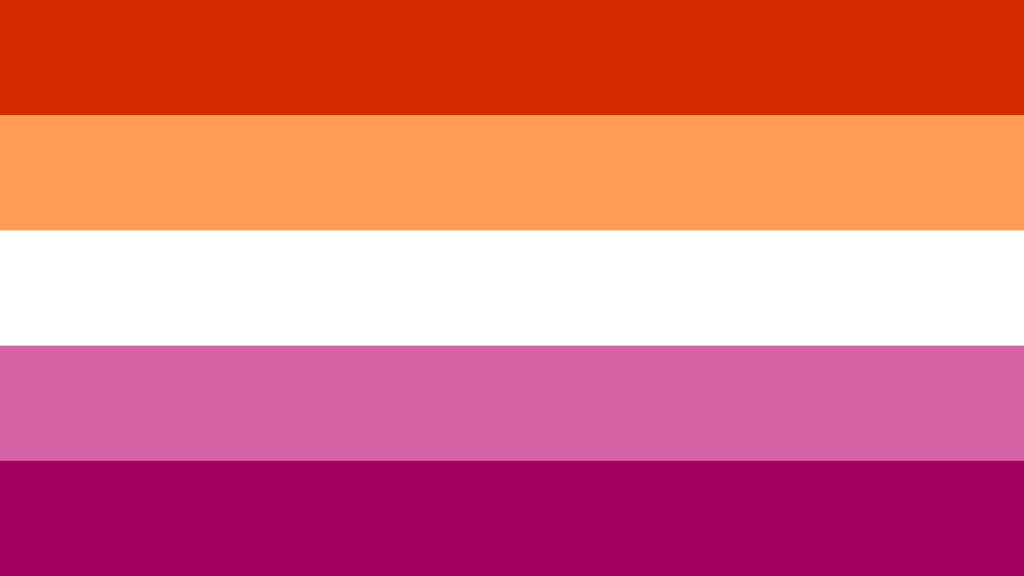
[Designed by Emily Gwen in 2018]
Though several versions exist, the most widely used lesbian flag features shades of orange and pink. These colors represent diversity, community, unique relationships between women, peace, feminism, and love. The seven-stripe version adds dusty pink for love and sexuality, and orange for independence.
Progress Pride Flag
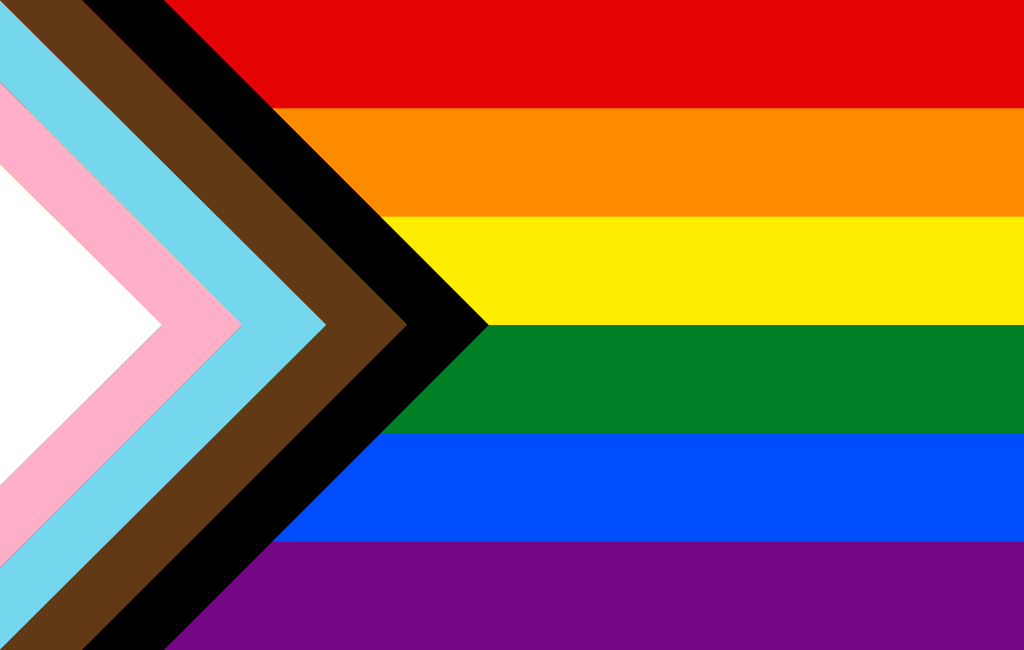
[Created by Daniel Quasar in 2018]
This inclusive redesign of the classic rainbow flag incorporates elements from other identity flags. It adds black and brown stripes to represent LGBTQI+ people of color and those affected by HIV/AIDS, along with the pink, blue, and white stripes from the transgender flag. Arranged in an arrow shape, the design symbolizes forward movement and progress toward equality.
Celebrating Identity in Every Color
Pride Month is more than a celebration; it’s a recognition of the rich tapestry of identities that make up the LGBTQI+ community. Each flag tells a story, honors a journey, and affirms the truth. By learning about these symbols, we not only deepen our understanding but also show respect and solidarity. So, this Pride Month, let’s look beyond the rainbow and embrace the full spectrum of love, identity, and inclusion.
Ref: