Recruitment Tests: What Should Job Seekers Know?
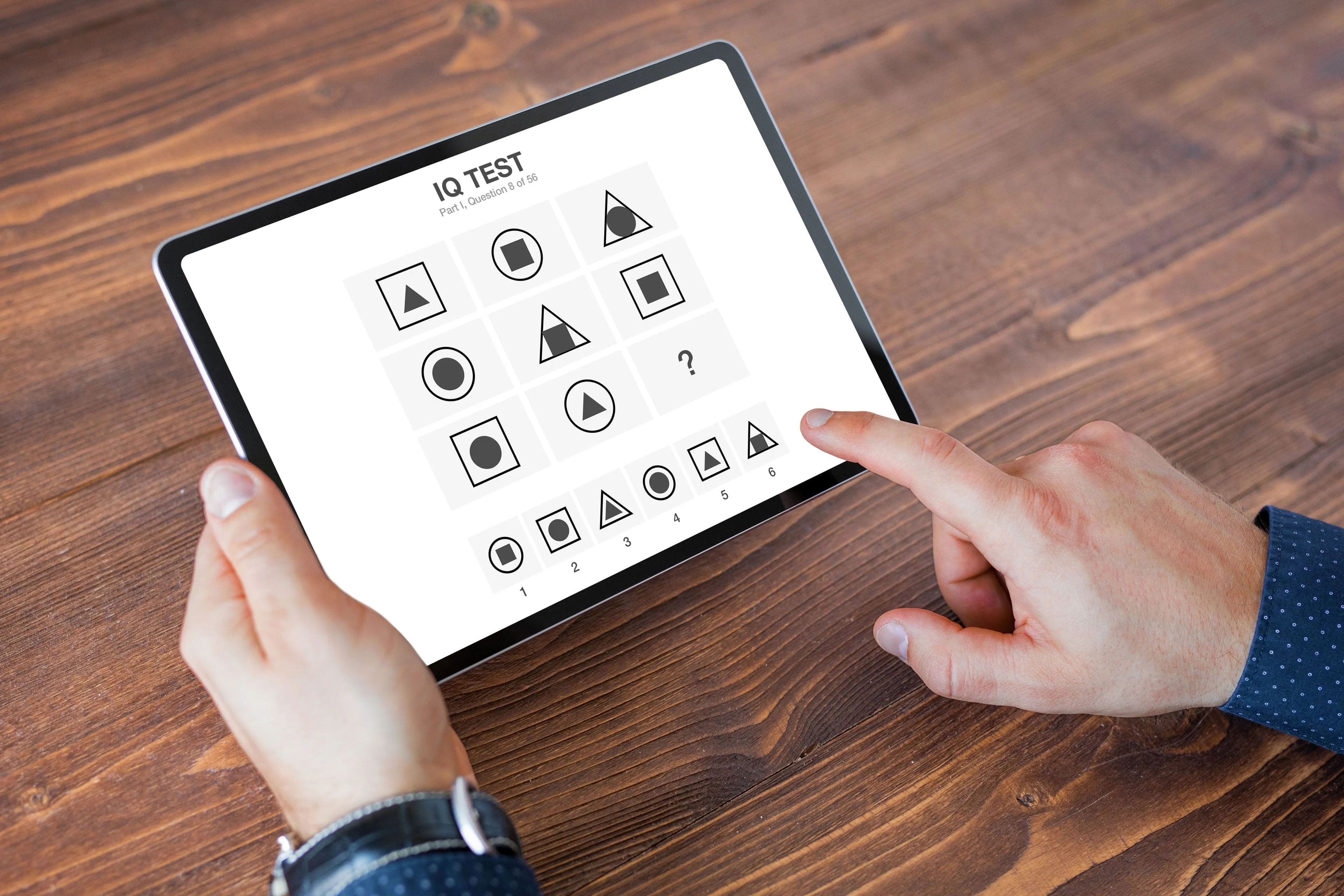
A job interview is always an exciting step, but when the process includes various tests, it can often raise anxiety among candidates. It’s important to understand that recruitment tests aren’t designed to highlight your weaknesses. Instead, they help both the employer, and the candidate see more clearly whether they’re the right match for each other.
In this article, we introduce the most common types of recruitment tests and share practical tips on how to prepare for them successfully.
The Most Common Types of Tests:
- Personality Test: Personality Test: These tests assess how well your personality fits the role you’re applying for. They are often used in positions where communication style, flexibility, or conflict resolution skills play a key role - such as in sales, HR, or customer service.
- Professional Knowledge Test: Typically used for jobs requiring specific expertise. For example, in engineering or manufacturing roles, you might be tested on interpreting technical drawings, performing calculations, or knowing safety standards.
- Monotony Tolerance Test: Common in repetitive, task-based roles. These tests measure concentration, attention to detail, and endurance through repetitive tasks over a longer period. They help employers evaluate how persistent and reliable a candidate is.
- IQ and Logical Reasoning Tests: Often used for intellectual or analytical roles, these tests focus on problem-solving, abstract thinking, and pattern recognition. You may encounter sequences, diagrams, logical texts, or identifying relationships between elements.
- Practical Task: This type of assessment simulates a real-life task similar to what you would do in the job. It could include a trial task, operating a machine, or analyzing an Excel spreadsheet - helping both sides understand what the role truly requires.
How to Prepare:
- Time Management: Don’t rush! It’s better to answer fewer questions correctly than to make mistakes in a hurry.
- Attention to Detail: Read each instruction carefully. Many mistakes happen simply because candidates misread the task.
Don’t be afraid of recruitment tests - see them as a chance to prove what you’re truly capable of!